Walk into any organization and you will know something about its culture within minutes. Not because anyone has told you. Because the space has already told you.
You feel it in whether people make eye contact in the hallway. In the quality of quiet in a meeting when someone asks a hard question. In whether the leader’s door is literally or figuratively open. In how the room is arranged, who sits where, and what that arrangement implies about whose voice carries weight.
Spaces communicate. Leaders create spaces. Which means that whether leaders intend to or not, they are constantly sending messages about what they value, who matters, and what kind of organization this actually is.
The invisible environment
Margaret Wheatley, drawing on quantum physics in her landmark work Leadership and the New Science, offers a reframe that every leader deserves to sit with. Space, she writes, is not empty. The invisible fields that exist between people — the unspoken assumptions, the emotional undercurrents, the quality of attention people bring to one another — are as real and as powerful as anything visible or measurable.
The invisible environment of a leadership team is always communicating something. The question is not whether it is sending a message. The question is what message it is sending, and whether that message reflects what you actually intend.
Three acts of tending any leader can practice this week
Tending an environment does not require a culture initiative or a strategic planning offsite. It begins with small, consistent acts of intentionality that accumulate over time into something people can feel.
Listen before you solve. In your next one-on-one, resist the pull toward the fix. Ask a genuine question and stay with the answer. Follow up on something the person told you last time. The experience of being remembered and heard is one of the most powerful environment-shapers available to any leader, and it costs nothing except presence.
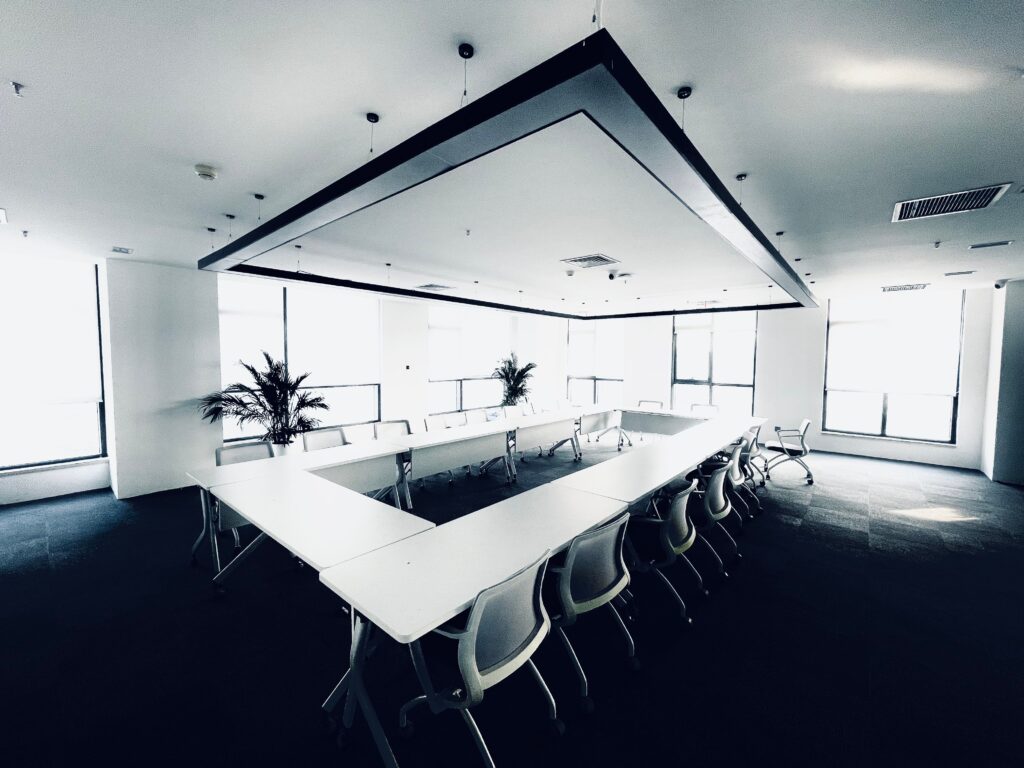
Examine the room before the meeting. Before your next team gathering, spend two minutes asking: what does this arrangement communicate? Who is positioned as the authority? Who might feel peripheral? Is there a way to rearrange the space that reflects the conversation you actually want to have? A circle communicates something different than a long table. A standing meeting communicates something different than a seated one. These choices are not trivial.
Ask the question leaders rarely ask. At the close of a team meeting or a one-on-one, try this: What was it like to be in this conversation? Not what did we accomplish, but what was the experience. The answers will tell you more about the environment you are creating than any engagement survey.
What intentional tending looks like under pressure
The test of any environment is not what it feels like when things are going well. It is what it feels like when an organization is facing something genuinely hard.
I have been in a lot of difficult rooms. One of the most difficult was a room I helped design for a family business navigating a leadership transition. The owner had made the decision to terminate the CEO — a leader the executive team had worked alongside, trusted, and in many cases followed into the organization.
Before we brought the team together, we made a deliberate choice. We were not going to design the agenda first. We were going to design the space.
We gathered the team in a circle. No table. Every chair equal. Every person visible to every other person. We asked three questions: What have you lost? What are you losing? What will you need to move forward?
The room held grief and uncertainty and loyalty and fear, all at once. The circle held all of it. No one was rushed toward resolution. No one was asked to perform confidence they did not feel. The space communicated what no prepared remarks could: You are safe here. What you carry matters. We will find our way forward together.
That is what tending looks like in practice. Not a technique. An act of hospitality in a moment when people needed it most.
The environment is your message
Leaders spend an enormous amount of energy on what they say. On the communication plan. The all-hands agenda. The carefully worded email.
Far less energy goes into the space in which all of that happens.
The most effective organizational leaders understand that the environment they create is not the backdrop for their leadership. It is an expression of it. And it is always, already, communicating something to the people inside it.
The question worth asking is not: what do I need to say this week?
The question is: what does the space I create communicate about what I believe about the people in it?
Rox Pals is the founder of 3 Consulting and the author of Leading with Humanity, a book in progress on the nine elements of human-centered leadership. To follow the writing journey, subscribe to her Substack.